Mind–body dualism
Philosophical view that consiousness and the body are fundamentally different
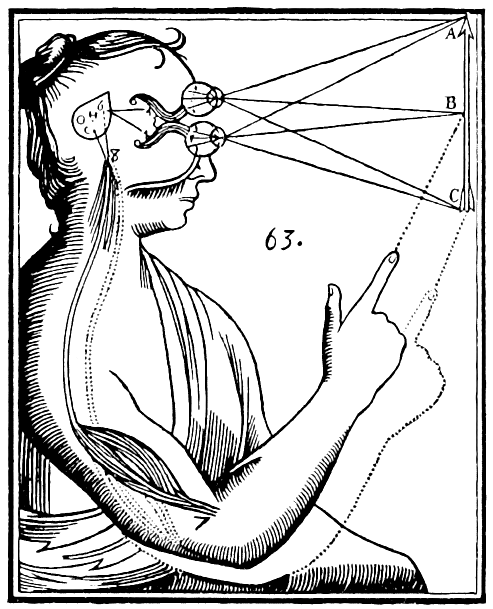
In philosophy of mind, mind–body dualism denotes either that mental phenomena are non-physical, or that the mind and body are distinct and separable. Thus, it encompasses a set of views about the relationship between mind and matter, as well as between subject and object, and is contrasted with other positions, such as physicalism and enactivism, in the mind–body problem. Aristotle shared Plato's view of multiple souls and further elaborated a hierarchical arrangement, corresponding to the distinctive functions of plants, animals, and humans: a nutritive soul of growth and metabolism that all three share; a perceptive soul of pain, pleasure, and desire that only humans and other animals share; and the faculty of reason that is unique to humans only.
From Wikipedia, under CC BY-SA. More on occurri.