Integrated multi-trophic aquaculture
Type of aquaculture
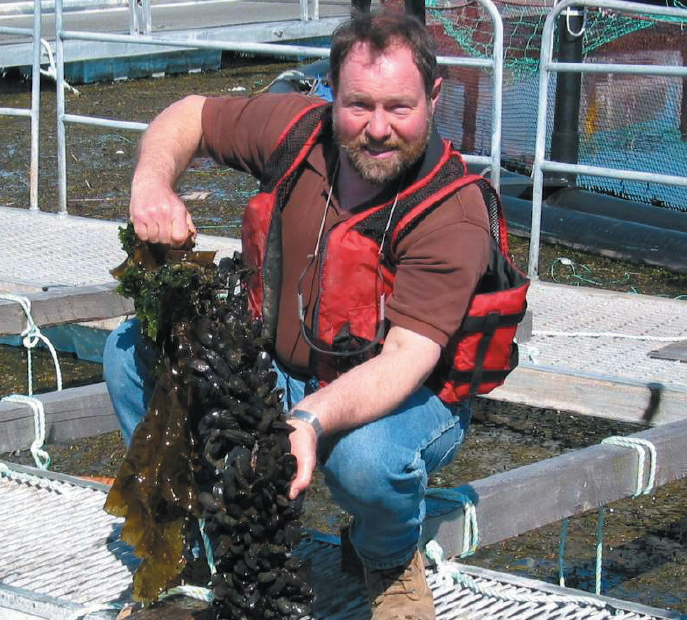
Integrated multi-trophic aquaculture (IMTA) is a type of aquaculture where the byproducts, including waste, from one aquatic species are used as inputs (fertilizers, food) for another. Farmers combine fed aquaculture (e.g., fish, shrimp) with inorganic extractive (e.g., seaweed) and organic extractive (e.g., shellfish) aquaculture to create balanced systems for environment remediation (biomitigation), economic stability (improved output, lower cost, product diversification and risk reduction) and social acceptability (better management practices). Selecting appropriate species and sizing the various populations to provide necessary ecosystem functions allows the biological and chemical processes involved to achieve a stable balance, mutually benefiting the organisms and improving ecosystem health.
From Wikipedia, under CC BY-SA. More on occurri.