High-temperature superconductivity
Superconductive behavior at temperatures much higher than absolute zero
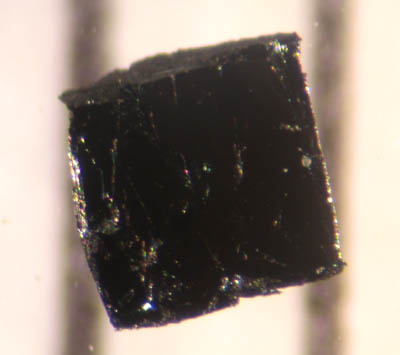
High-temperature superconductivity (high-Tc or HTS) is superconductivity in materials with a critical temperature (the temperature below which the material behaves as a superconductor) above 77 K (−196.2 °C; −321.1 °F), the boiling point of liquid nitrogen. They are "high-temperature" only relative to previously known superconductors, which function only closer to absolute zero. The first high-temperature superconductor was discovered in 1986 by IBM researchers Georg Bednorz and K. Alex Müller.
From Wikipedia, under CC BY-SA. More on occurri.